How OpenArt Got 7 Million Users So Fast!
About this episode
How Coco Mao Built OpenArt to $20M ARR with Just 10 Employees | Ex-Google Founder Interview
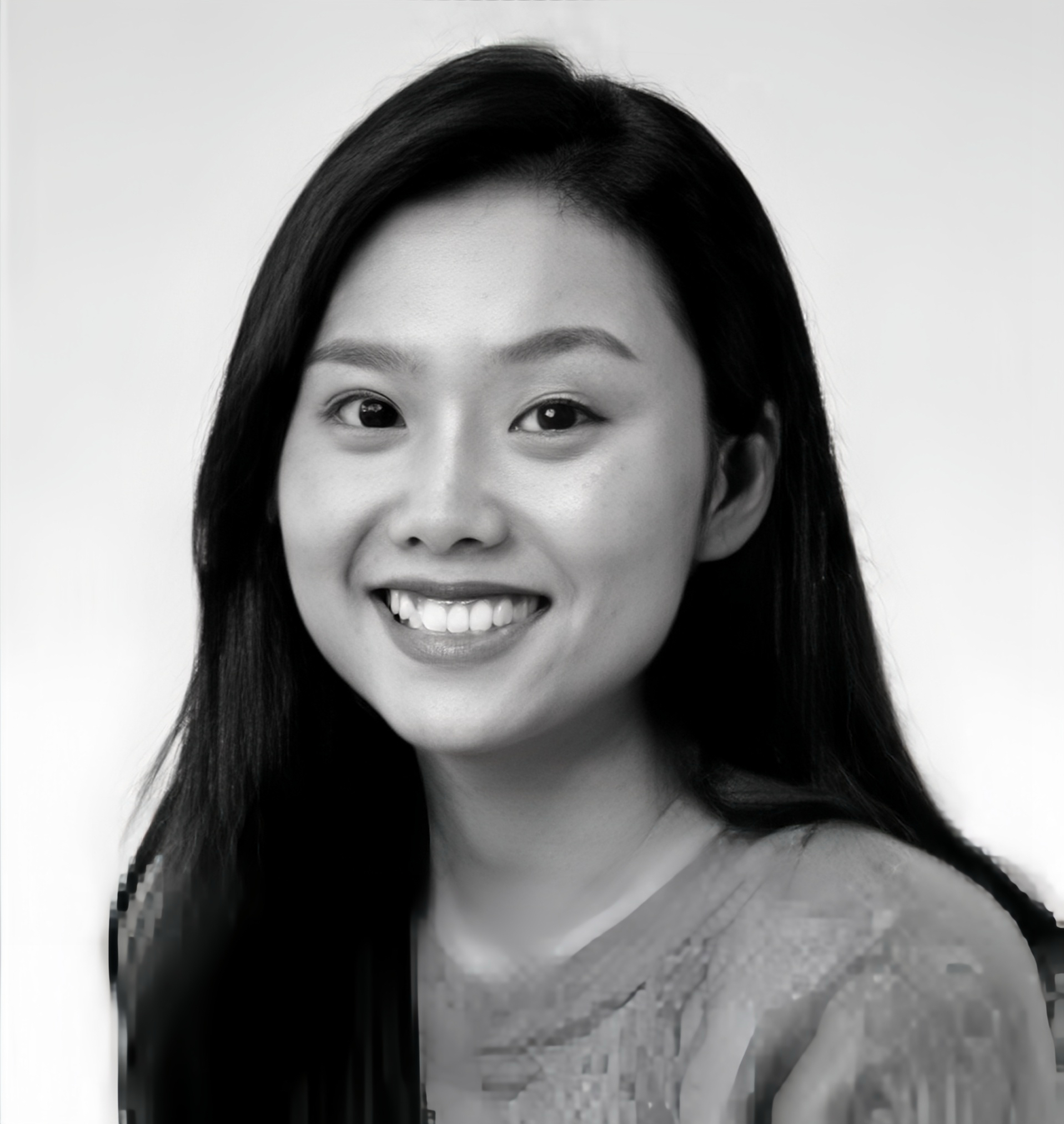
Join us for an incredible conversation with Coco Mao, CEO and Co-founder of OpenArt, who left her cushy Google job to build one of the leanest AI startups in the world. OpenArt has achieved what most startups dream of: $20M ARR, 7 million monthly active users, and they did it with just 10 people.
Mentioned in this episode: Lean Startup Leaderboard OpenArt's one-click story feature The church ladies from Nashville using AI for Sunday school Why capital efficiency matters in AI application layer
Full transcript
Could you give us a quick intro about yourself?
Hi everyone. My name's Coco. I'm the co-founder and CEO of Open Art.
For those who don't know about what open art is, can you use one sentence to describe it?
Open art is platform for visual storytelling and we help you turn an idea into a visual story.
How many users do you have?
I would say it's like definitely increasing every month, but then roughly like six to 7 million monthly active users
mentioned you worked at Google for, for years. Was there a moment that you knew you would decide to leave?
From the day I entered Google, I was very determined to do a startup.
How do you be fast initiative? What do you think is your biggest growth driver? What is your next big bet? Do you recommend people to leave their futon job?
Depends. Okay. Depends where you wanna take it.
Hey everyone. Welcome back to Two Side ai. I'm super excited about today's conversation with Coco Mao, CEO, and co-founder of Open Art Coco, thanks for joining us.
For those who don't know you yet, could you give us a quick intro about yourself? Yeah, for sure. thank you Angelina, for having me. Hi everyone. My name's Coco. I'm the co-founder and CEO of Open Art. So we started Open Art back in 2022 and before that I was at Google for seven years, first at Google Photos.
And then I did my first start with my current co-founder at Google's incubator. We were building a short video platform focusing on lifestyle content. So it was, early, short form video days. And we had a million, we had millions of monthly active users, so we built a platform with a link team of five, and then reached millions of monthly active users.
And after two years, Google Search acquired us from the incubator. So that was my first startup experience. And then we left Google around 2020.
That's amazing. Now I've been looking at your numbers and I'm really blown away. Looks like how many users do you have today? I saw something around like 6 million MAU.
Is that still accurate?
Yeah. Yeah. I would say it is like definitely increasing every month, but then roughly like six to 7 million monthly active users. Yeah.
I also heard you, you also mentioned you guys grew from zero to 10 million a RR in one year. And yeah,
it was last year.
Yeah. Can I ask, where are you at now?
So yeah, I would say first of the year we doubled our revenue and then the second half we, I think the growth could be even more.
And eight employees generally.
Yeah. So yeah, it was last year it was eight employees. but now we have 10 people.
You have 10 people? Yeah. And you guys are top of the lean startup leader board. So it has a rough estimation of your a RR at,10 people 20 million, something like that.
Yeah. and you know what's funny about the Lean AI leaderboard is that I feel like it's always outdated because I think everyone on the leaderboard is like making money so fast that it's always outdated
you are ahead of everybody else uh,
I don't know.it's very dynamic. I would say I think the leader boy is just a way to, it is a measure, but then it, I, I definitely don't, to some extent, I think it's a vanity leaderboard because,
if you really make a lot of money, who cares whether, if it's lean or not, because the lean shouldn't be the goal, the revenue or like, where, how your company changes the world should be the goal, not the lean part. I think the lean is just, means to an end.
Maybe it's an investment filter.
Yes. Because at least you know that this team is very efficient.
Yeah. Oh yeah. Ex. Exactly. I do think it measures capital efficiency. I think that's one thing, one trend I've seen that a lot of AI native startup are doing very well is how capital efficient the startups can be.
For those who don't know about what open art is, can you use one sentence to describe it?
Yeah, for sure. So today, I would say opener is a platform for visual storytelling and we help you turn an idea into a visual story. And I can give you more context about where, how we got to here today because it's, I would say three years ago, when we started opener, I didn't imagine it.
open RTB like this from day one. And I think there's also, I don't know a misconception in Silicon Valley or in the world that like, oh, visionary founders should know what you're building from Day zero. From day one. everyone's oh, Steve Jobs have the grand vision from day one. And I just wanna tell you that most of the founders, including myself.
Don't know what we are building from day one. And it takes a lot of iterations, takes a lot of learnings to, to really get to know what you're building.
Because I'll tell you like some of background stories. When we built open air, I saw, like I was playing Dolly two and a stable Diffusion came out and the idea was really simple because we were pivoting and we didn't, we round of ideas.
to test. And then we said, oh, this AI image thing is interesting. and then so we were saying like, why don't we build a community for AI artists? So then because people just didn't know what to create for the AI images, and we basically crawled a lot of AI images online and then end their prompts and then spend less than a week to build this like site.
And we. And we wrote a title like Pinterest for AI images and put it on Hacker News, and then it got viral. It was the number one news of that day. And then from there we thought, oh, this thing is interesting. It's probably more than we thought. And then from there, we started building the creation tool.
So last year, like 2024, we grew from 1 million to 10 million. by focusing purely on images, like we build a lot of AI image generation and then AI editing workflow. And then just keep in mind, we don't actually own any of the models because training model is very source intensive.
And I also feel like models are becoming a commodity and it's not just, and also it's not the right fit. For our team, we have more background building products. We didn't have background like training models, so we to some extent were forced not to train the model. But then in retrospect, it was the really right choice.
You need to find your position in this whole landscape. And, but then Deep insight. I was very anxious last year because there were so many AI image generators from the outside. The space looked so competitive, and I honestly felt like AI image generation is the category defined by mid journey already.
I don't wanna stay in a category defined by another, company. I wanna be a category defining star. and then, so we thought really hard about how we wanna position opener and then how we can do this in the long term. Again, I was telling you, I didn't know this from day one. Like basically I knew it like.
Two years after we started building this and then we, did a lot of user interviews, thought really hard about like, how can this be a very sustainable business? And that's when we realized, okay, we wanna focus on visual storytelling by visual storytelling. Like stories. Actually a very broad concept because a film could be a story, like a TikTok short video is a story, an ad, essentially a story with a call to action to purchase.
So I really like this concept that a story. Is a very broad concept. but then what users re we have so many users on our platform at that time already, and one of the key user, or highest requested feature was consistent characters. Like people want to create images of a consistent character.
and then when you really understand, oh, why do you need a consistent character in all your images? That's when we realized, oh, all of these people were trying to tell a story and. At that time, video models also were getting dramatically better. and then the thing we found is that we wanna focus on visual storytelling.
Video is the right format for people to tell stories. And so earlier this year we started doubling down videos. We introduced consistent characters. And in July we also introduced like one click story. And I can even do a demo if you're
interested. Oh,yeah. I'm interested. actually, I was looking for consistent characters.
for Generating videos out of it. And I wanna provide one of the prototypethe Original images as the baseline for you to take that and generate the video and with consistent characters.
Exactly, so the consistent character is the one we introduced earlier this year.
You can start from description or one image or four images, and you get you can create images with like with a consistent character in July. This is our like major move into visual storytelling even more. The idea is that, our mission is to really democratize visual storytelling, but if you think about.
Like telling a good story. It requires a lot of things. Like how can you make the story arc very interesting. Most people don't even know the story narrative, Yeah. and then you need good storyboard and then you need to have good sounds like audio is super important in a good story. So what if we just let user enter one like rough idea and then.
Do all of the rest for the user, like almost like a video agents so that the user can get a video that's 80 or 90% there. And if they don't like anything, they can do like further fine tuning.
This is example like that you choose a consistent character, which is a. Plus frog. And then you simply type frog is having a relaxing spa day.
And this is a video you'll get from open art within five minutes. So I'll play for you.
Oh, I love it. Yeah.
This thing is weird.
I guess this is the how the model is trained about having a spark.
So as you
can see, if you never,if you have never done video editing before or you've never prompted image before, this is a very magical experience for you because all you did was like, okay, having a relaxing spot day, and then boom, you get such a.
pretty good video. And so we introduced several video types. The one you just saw was character vlog, and the music video was also a really big hit. Actually, we'll wait to find out.
wait. did you add the video automatically to that spa video?
the music?
yeah.
Everything was done.
so the user input is a very short prompt, plus the seed image.
Yes. Yeah.
Okay. Awesome. Love that. Okay.
yeah. So if you can, oh,
here, let's say Nano is having a spa day as example. This is one of my character. And then, so we can come back in five minutes and then check out that video.
Okay. Sounds good. Yeah. So design, demo,
demo.
yes. It can also work with a longer, a more complex prompt.
yes, it can. If you have a very, for example, explainer video is where if you wanna explain a concept, and this is really good. Let me show you a example.
I already feel like I'm gonna be a customer.
Yes, it's, oh, explainer video. Let's see. Oh, so this one, for example, this person want to, they have a script and then they wanna. a visual representation of this script, so can take a look.
My heart's on fire, but what's on your mind? Fire. Okay. Deep breaths. The digital ink is practically sizzling.
And my cursor is poised because Hello world. Yeah. So basically we'll like take the right visual for you based on your script. Thrilling, terrifying. This character looks very consistent. Is there a cime image? So, um, this one actually doesn't necessarily require the character to be consistent. I guess it's just like.
Somehow it was consistent. Oh, I got, yeah,
so this is an example of explainer video and then the music video as example is, let's say you wanna create a music video and you are either you wanna see yourself sing or if you wanna see your character
that I had to, so this is character you gave.
So
this is
wait, I wanna ask the input. Does the input is the person's seat image? And so
yeah,
the music.
And then. And the music and you didn't type anything.
Okay. And then you will create this a music video towards Facebook In my music and with my image as well.
Yes, yes.
Wow. Awesome. This is, make everything easier, like for me.
Yeah. Producers, right?
Yeah. That's what we call it, one click story, because it's really just like one click.
That's really smart. And also the explainer video as well. can I pass a c image like myself and explaining a concept, let's say in ai, it'll make my life easier so I don't have to record everything.
Right.
I know it, it's coming because the explainer video right now it doesn't have the consistent character concept, but I totally get what you're saying. You want someone as a protagonist explain. Exactly. Yeah. It's coming. It's one of the highly requested feature.
Oh, see,the one we just,
oh, you're ready.
Okay. Let see.
Live demo.
Ooh. Oh, cute. Like self spot. Oh gosh. I love this. Goodness. Wow. Okay. The, the is not exactly used the right way. Wow. So it's, oh this So, yeah. This is so cute.
I can watch this all day long.
and then, so the interesting part is that, let's say.
One of the things I actually wasn't very happy with because the brush was like, until as the camera links to where as the subject links toward the brushing. So I didn't like this because it was not really brushing it, So what I could change here is that, let's see, lean towards the brushing.
or I can, what I can do is that if I don't like this initial image. I can basically say, I wanna regenerate this scene and regenerate this clip, and so that you can get to 100% of exactly how you want it.
Oh man, this is a killer feature. so you use AI to generate the image and then you break down the video into small segments and every segment is planned, basically.
So that's how your agent works.
Yeah. Yeah, exactly. Because if you think about how a film is generated, people don't shoot a film from start to end. they shoot clips and then put everything together. So it's the same thing in order to tell a really good story, like I really don't believe it's like the model from generated from the beginning to end.
I think it's you know how humans make films is you have the good story. You then you shoot these clips and then you put everything together.
Yeah. Yeah. I remember actually I was looking for a tool earlier this year, just doing these kind of things. I was using a tool that actually is asking me to go through the whole script, like screenwriting process.
Mm-hmm. I've never done that. So I experienced a whole. Like the whole design process. So it's partially ai, but it needs me to write everything, like the whole story for one minute video. including define the characters personality arc. I see. Write a story, the stories, the directions, the enemy, and then act one, act two, act three.
So every few seconds is very carefully defined, but it is not one click. It's a lot of work.
, Exactly. Our. Because our mission is democratize visual storytelling. My thesis is that like everyone really has great ideas, but right now, I think storytelling in the text format has been pretty much democratized.
everyone can write, okay. It's not like everyone can write great stories, but you can write. Most people, they can write things, but if you want to really represent visually, I think. It's still pretty exclusive. the best, the best stories today are still told by Hollywood studios and then by filmmakers, but I do think everyone, like really, even a five-year-old kid, they can have like really great ideas if you can give them the power to visually express and then visualize.
Their stories. Then I think the next, the best stories could come from a 5-year-old.
Yeah. Yeah. I totally agree.
And do you have a video lens limit right now being generated?
The video lens?
Yeah. How long? Yes. How long can I go?
So right now our limit is one minute. However, it's not because of technical limit.
It's more of our deliberate choice of. Be keeping it MVP when we launched, because it was, we really wanna push this product ASAP to the market first. So we just wanna make sure that a quality we, deliver is is pretty decent. So we limit to one minute, but in August we're actually expanding it to five minutes.
I would love to use your tool.
Who are your current paying customers? Yeah, so we have a wide range. I actually talked to over 30 users last week interviewing these people who created these stories, and now we actually make our ICP more clear. I think our key users, I would describe them as like gen, ai, social.
Media creators and also SMBs. So these are the people using these JI to create these, images, videos to, to build their social media followings or promote their businesses.
Hmm, very interesting. Did you find any, what do you think would be weirdest or coolest use cases someone built was open art that surprised you?
yes, actually quite many. I can showcase some of them. So one of the interesting one I like to showcase here is that, among, I talked to over three users, and one of them are two lovely ladies from a church in Nashville, and their use case is interesting. Is that because they're running a Sunday school for kids and they, or make, like in church you sing a lot of songs, right?
So they used AI to make, music, not on opener, somewhere else They made the music for their Sunday school, but then they want the kids to see, they need visual representation of the music. And then they made this
song opener, like basically using the one click feature makes up in Star Sing.
Oh, that's so cute. Yeah.
You know, like the thing that really touched me is that like these two ladies are basically not technical at all. They don't even have a local editor. And then they use the editor review, which I would say is very primitive. And, and then so to them, you know, don't know any video editing, don't know anything about animation.
And with one click they can generate a music video like this. It's like truly magical,
especially for them, right? I can imagine their face like, wow, this is impressive.
Yeah, so I feel like this is an interesting case that was really touching for me,
And another one that I felt pretty interesting is the observation that a lot of the users, the GI users, you would think, oh, these must be like young generation, like Gen Z or even Gen Alpha.
But the reality is that a lot of Older people are actually using ai and they,and then I also feel proud that our
define old people,
like 70 years old, 80 years old. yeah,
that's impressive.
Yeah. and you would think, oh, like they are the people that are left out by ai, but it's actually not true because think about it, they have time, they are retired, they have some money, and then they need some creative outlets.
And and I'm very proud that we made open, very easy for them to use. So this one is actually, if you look at this, can, if I were to ask you to guess, who do you think is the creator behind it?
Mm-hmm.
Like, I would
not guess a 70-year-old. No way.
Right. So this one is,
So she's basically a 60, 70-year-old grandma in New Zealand and she's creating these like cat videos and then for example, this one, what she basically type was like this cat visiting Greece. And then this is what generated by open art
one click story. Wow. That's amazing. I, wow. I love it. That's so cute.
Yeah, and I felt like it looks exactly like grease, like these, you know, the, the blue roofs and so on. Yeah,
I, I definitely think that it gives, it empowers people
to let out their creativity in different, in a more visual way. Otherwise, when people write, it's a lot harder to combine with music and visual.
Yeah. And then the interesting part is that these creators would have never become creators without Gen ai. I thought that's the fascinating part, is that you see this a group of emerging creators or a group of emerging gen, ai, social media creators.
Hmm. Yeah. historically art is, being redefined over time anyway.
The more formats are coming out. yeah. So we're just facing this time that we're gonna see more different format of arts, so who knows?
Yeah.
I wanna go back to ask you a little bit about your personal journey. Yes. Mentioned you worked at Google for years, right?
Yes. Yes.
Should be a cushy job.
Was there a moment that you knew that you would decide to leave? Oh
yeah. Actually from the day I entered Google, I was very determined to do a startup. I always knew what I wanted, to be honest, why? but I do think, I graduated from Carnegie Mellon in 2015, and even though I knew I wanted to do a startup, I think I needed to learn more.
and then there was also some like visa issues. I feel like after I can sort it out, it would just be more convenient and so because of these two reasons I stayed at Google I felt very fortunate that like Google had the incubator program so that I had to send my staff experience in the incubator while staying at Google, so that was definitely a very fortunate and rewarding experience.
When did you leave Google and started open art?
2022.
2022. Okay. were your parents or family think that you were crazy or,
oh, no. I've always been telling them I wanted to do the startup.
So they were always mentally
you see that, you see them like,
yeah.
Early on. I'm gonna leave, don't expect me to. Yeah.
So it's managing their expectation.
Yeah. Another topic we could, go deeper into You also mentioned earlier that this AI space, like image generation space, maybe even video is very, has been very crowded, right?
Seeing staple diffusion came out maybe 2022. did you ever think that it was too late? Or how did you have the conviction to do it?
Let's see. So we were there early because we started open our 2022 August, so that was, we were there very early. So I don't think we were too late, but there were definitely times I felt like the space was very crowded.
However, the way I. I thought about it was that, I felt like gen ai, this era is almost like gold rush in California,hundreds of years ago and at that time so many people came to California, right? And then. But then the analogy is that when you came to California and then there was a lot of gold, let's say and then some people would jump into the river and then start like digging.
And then some people were just like staying on the side and then looking. So I felt like if there's really any gold in the water, then it must be the people who were already in the river that found it instead of people that, that stayed on the, like on the side. So I felt like as long as we were in the water.
I felt like we could find something.
very positive thinking.
So you mentioned you pivot a lot, what did the first form of the product look like? Was it just image generation?
The very first form was literally like image browsing. Like we don't even had creation. So at that time, we saw the opportunity and then.
People didn't know what prompt to write, so we just crawled a lot of images online and put their prompt together and we call it like Pinterest for AI images. So there was not even creation tools at all. It was a purely browsing experience. But we posted on Hacker News and it got viral. That was the time we felt like, okay, this is actually more than we thought it could be.
It could have some traction. And then we started adding more creation tools. And then in 2024, we were very focused on the image. Creation image editing. And then starting this year, we doubled down on video and we also, try to really start building around the visual storytelling. Not just like video clips.
How can we empower people to tell stories instead of just
I really like that positioning. Yeah, I really like that storytelling.
when you look back today, what did you think would make open art different versus what actually. Made it different? Was it, what did, was it a team fasting execution or pivoting, or was it timing?
What did you think? Oh,
yeah, okay. I wouldn't say it's different. I would say I saw a pattern. The startups that are able to survive until today. Are the startups that were fast and iterative because I've seen competitors, like actually a lot of competitors already died and I think those startups, like their founders are actually all great people.
are all super smart. In fact, like I would say the talent concentration in the genai space is like. it's impressive.
Yeah. Yeah.
Incredible. It's like everyone, either zero entrepreneurs or like very high profile just so many of these people. But I do feel like for the startups that I saw that are able to survive until today and then are still growing.
The startups are, have been very iterative and fast at learning. That I think is the best or biggest trade that you need to be successful in the Gen I space. At least in the AI application layer I would say.
Can you define that? Can you say more about how do you be fast initiative?
I think everyone's methodology is different. I think my, okay. For us, for example, I think it's about you have a thesis you wanna test and then you launch something that you are ashamed of and then you can, and then you test if this something that you are ashamed of, can even attract some users or get good user feedback and then you can polish from there.
Like analogy I would give is that. imagine you are, you are a girl, and then you are all well dressed up and you attract a lot of attention. And then you would wonder, oh, is it because I'm just pretty or because people really like me. but then if you dress up very messy and then you go out and people
tested Test it.
Exactly. You test it. Like even if you dress down and if people wanna talk to you, then those people are probably actually interested in talking to you. Instead of just looking at, your look. Yeah. So I felt like a product the same way, if you wanna test product market fit, I feel like you should launch something that's, that's not as good that you are even embarrassed about.
And then you can still get some positive user feedback. That means you get some something. Do you have a timeline that you set for yourself for every test? are you having, you wanna test?
No, it depends on the scale of the feature. I would say for this story feature we spend roughly one to two months.
It's already like very long for us. to launch the MDP.
And then how long do you allow yourself for testing?
For testing, so after you launch and then you look at the data, like you must look at least weeks of data, and then you do qualitative testing, like basically talking to users who actually use the feature.
Ah, I see.
And then how do you launch?
Okay. I think launch is a very like. Exactly. Never been
here, right? Yeah.
Because most of the time, like if you just add new features, you are like continuously launching. But however, if you have big bet on something, then you can do more launch type of things. For example, you produce like very fancy like marketing videos that can track a lot of eyeballs, and then you do let's say product or you even do some press, for example.
This time we got some tag crunch press for the. A story feature, but it really depends. For us,we probably don't do enough formal launches. We should do more.
How do these launches evolve over time? do you still remember when you first started launching features?
It's like throwing a rock in the ocean, right? Nobody responds. We all. We've been through that time.
Yeah, I would say so. at the beginning, you don't have enough user base and Right, and you don't have enough social media presence. You just ship it.
And then, and we also have the tendency of under market our features. But then this year we actually started. Building our social media presence. So if you look at open our YouTube channel, this at the beginning, no, in May, I remember in May we were still at 50 K followers, but now we're, we are almost at 150 K followers, like almost tripled YouTube following.
And so now for every feature we do, we of course we'll throw out like a video on YouTube and then a lot of people can learn about new feature. But then if we, it's a bigger feature, then we'll do influence and marketing. Working with other influencers to teach people how to use the new feature.
So it really depends on the scale of the feature.
Do you remember a time when you made a decision early on that you still remember today and you think it was the right decision?
I think there were many, but then of course we made a lot of wrong decisions as well. Actually, my opinion with the decisions is that.
When you are in the start, you know, making decision fast is more important than making the right decision. The reason is that if you stay too long just making the decision, then you don't have new information coming because you are just stuck there. But then let's say you made a decision like, go this way.
It doesn't matter that you are wrong because once you're wrong. You will know very soon. And then you just like course correct yourself to go to the other direction. So my thesis is always that if you stay at a place for too long, then you just don't have new information, then you are not learning.
But then if you start. Going some direction, you made the wrong decision, then you course crack, then you course crack and eventually you will be on the right decision.
Yeah.
Then your factor than staying at this place where you are not making decisions.
Yeah, that's a good point.
Can you share some of the wrong decisions that you've made or some of those stories that maybe some of our audience who wants to do a startup?
They don't have to waste their time on.
I wouldn't say it's a wrong decision. I would say, this is a lesson I think I learned is that just don't over optimize things early. I'll give a very simple example. So because we're very late AI start, right? So we were using a payroll system, a okay, and then someone.
Someone told me, the payroll system B is a lot better. It's more scalable. Even though like our payroll just has under 10 people. Like I was attracted by this dream of, oh wow, this payroll system is very scalable and then blah, blah, blah. and then. I switched our payroll system from A to B and I regret it so much because it cost a lot of headaches.
Like second year we had tax issues and then and then there was a lot of migration time wasted, and I felt like I were. I was trying to optimize things too early and it just ended up wasting a lot of my time because we don't have an HR person. I'm the HR person, I'm the finance person, and caused me so much headache that I would have otherwise could have avoided.
So I think one thing I would just tell founders is that don't optimize things too early unless you are forced into optimize it
today, you must have a lot of customer requests on new features. Yes, the feature side. The feature side, which ones are you gonna decide to build versus to ignore. That's also a lot of, Cognitive load. Besides the finance and the And
Yeah, that's a great question. Our discord has over 350 K users, so you can imagine how loud people are in those community. One thing I learned actually through a lot of user interviews is that you really couldn't. you listen to the users, but you don't listen to their feature requests.
You listen to their problems because you don't wanna just directly use their solution. you wanna really understand the problem and then design the solutions around their problems. and another thing to be careful is that you'll have a wide range of audience. That's why you need to be clear about your ICP, your ideal customer profile.
So that you pick the problems of your ICP and then work on it instead of listen to everyone's problems and then solve, try to solve everyone's problems.
that's really deep insight. Yeah. Listen to the problems rather than listening to their solutions or their feature requests as is.
So
Exactly. I you, I've definitely encountered a lot of people that just tell you a solution, but then when they tell you a solution, it's actually not definitely. Almost always not the right solution.
Okay.
Because they have limited, view like you know your product better, the tech, you know everything.
But then like their problem is real, so listen to their problem and then design the solutions for them.
makes sense.
And in terms of fundraising, I know that you guys did a one round, right? but mostly I startups. I believe they raised more than 50 million before hitting your revenue at 20 million, something like that.
Why? Why did you choose to stay lean?
That's a good question. So I think it does depends on the layer or the space you are in. So we are an AI application layer, and I think if you're building models then it does make sense for you to raise more and because model training is very resource intensive.
But then for the AI application layer. I think you can just do a lot with a very lean team with with not as much capital. And the other thing is also around capital efficiency. I think our team have been just been very methodical and very disciplined and basically pretty. Pretty much like capital efficient.
So we have been profitable for a while and it does give us a lot of flexibility of when we found Raise, whether we wanna found raise.
What do you think is your biggest growth driver?
It depends. It changes from time to time because we always explore different. Yeah, we always explore different go-to market strategies.
Like for example, so SEO is one of our key growth drivers because you search like a RAR generator. We're always like on the top. And actually this year we started exploring more on the social media space. As I mentioned, we started. Putting more resources in our own social media channels.
YouTube is definitely a really big one for us, but we are also expanding our influence on LinkedIn, Twitter, and so on. So I think it really depends on the time period of open art.
I see.
And do you remember what was your go to go-to-market strategy when you had zero users? How did you get the first a hundred?
Yeah, as I mentioned, like the first trick was like you just use this unscalable approach, like posting something or Hacker News and then just hoping it would get viral. And from there we started doing more like like SEO stuff. And also having a domain name really helps,our domain name is open art, so if people search a IR and then people actually found us because we have a good domain.
So there are a lot of. Like tricks early on. If you do it right, you get a lot of organic traffic.
I Yeah. Like open art, I would think of oh it's, are you affiliated with Open ai?
Oh, all the time. All the time. People would think, oh,are you open ai? Or people just call us open ai and then of course good association is always great.
Yeah. That's really fortunate.
So if someone give you 10 million marketing budget tomorrow. Let's say, Would you take it or whatever the budget is for, if somebody just comes in and give you 10 million tomorrow, would you take it? What would you do with it?
But then what do they want?
Investment.
Investment. If it's purely for marketing reason, then probably not, because I think we are, like open arts pretty like itself is we're very sustainable and then we do marketing ourselves. But I think if we use the funding for more strategic bets, yes, it could be a really good use.
How would you spend it?
There are like a lot of great plans we have, but that probably not. I think we should execute it and then we can share.
We can share. Okay. Yeah.
How are you spending your day?
Oh, that's a great question.
Last week you talked to 30 customers. That sounds like a full week.
Yes, that was a full week.
It really depends I think it varies from day to day, but I would say the top, let's see, the top things I do, one is just think long-term. okay, how do we wanna take open our long-term, like the vision, mission stuff that's. Definitely one. And then second is how do I, how can I run teams efficiently so that everyone can, do the right work and then best utilize their time.
And three, talk to our users. I really love talking to our users. I would still hop on Discord now and then, and do these user interviews. And I actually have a lot of users on my own personal WhatsApp so they can message me. So it's a lot of Communication with users.
And how many hours do you work per day?
It, okay, let's see. So usually I get up at eight and then I went out for a three minute run. And before, before 10 I'm definitely working. And then probably work until, of course you eat, you take some breaks and then probably work until nine or 10, something like that.
Well, that's long days.
Do you work every day?
I try to have least one day for free.
I feel like I'm establishing role models for successful entrepreneurs for our audience,
but I honestly don't think I'm the most hardcore founders. I've seen founders that work every day and then the moment they wake up and then the moment they sleep.
So I think,
oh, I'm, yeah,
I
do know people too. Yeah.
Yes.
Good for
you. I feel I'm not as hardcore as that.
And take your breaks. All right?
Yes.
So we do have a lot of audience who are engineers, data science builders who might be thinking about starting something. This is probably the best time. there are many aspects, right?
Do you need to be technical to build a company, a AI company today?
Oh, I think you can prototype a lot of things even if you are not technical and with all of these vibe coding tools and then a lot of these like agent, I think you can build a lot of prototypes to show how valid the idea is.
And I would say okay, there are a lot of opportunities, but then pick something you like, because this is something you are going to do alone, like for a long time, hopefully. Just, yeah, do something interesting. Do something you like, but honestly, even if this is not your passion yet.
There are so many opportunities that I would just encourage you to try, because you might start with idea A, but then eventually you will find some signals in idea B, and then eventually when you scale, it becomes idea C. It's you just keep iterating. I think that iteration is the most important thing, I think in the start journey.
Do you recommend people to leave their full-time job?
Depends. Okay. Depends where you wanna take it. If you wanna raise money, it's more likely you can raise after you quit your job. But then if you just wanna try out or like experience, or like just get some experience or do side hustle, then you can just do it as side hustle.
You don't need to leave your job. So it depends on your ultimate goal.
Okay. Awesome. Thank you for your tips.
One last question about the future of open art. this AI space, right? AI art space or image or video space is moving really fast. What is your next big bet? So you had image video.
What's your next big bet?
Yeah, I think it, it will be like continuation around stories because based on the signals we found, like I think people love the concept of easy visual storytelling. but how can we really nail down so that the stories we generated is something people can directly use?
Or what are other stereotypes people want? Or even can we create very innovative consumption experience for people, not just the creation. So there, there are actually a lot we wanna explore.
What do you mean by consumption? Examples?
Yeah. Yeah. Like by consumption, like today, if you create a video open, you would post on TikTok post on YouTube, right?
So you go to the more traditional social media or to content platform to consume it. One of our hypothesis is that there could be very innovative ways to consume these AI native content and thus. There could be a new AI native content consumption platform. So that's something eventually I think we really wanna explore.
that's interesting. It's hard to imagine, but maybe that's the category defining one that will be very, yeah, that's coming up. Right.
Thank you so much, Coco, for joining me today. Really nice chatting with you. We see a lot of power with your tool and it's really impressive. and thank you also for sharing all your insights and tips for founders.
Founders to bees. Builders. They're also very. Firsthand. Very practical. Thank you so much.
Yeah, thank you.
I'll see you next time.
From the TwoSetAI Playbook
What Is Founder Visibility in AI Search?
The definition. Founder visibility in AI search is whether ChatGPT, Perplexity, Google AI Mode, and Claude name and cite a specific founder in buyer-facing answers. How it is measured, and how it differs from PR, SEO, personal branding, and the services sold under the same phrase.
Why Video Content Is Winning AI Search: The GEO Case for Long-Form Video
94% of YouTube citations in a 100-million-citation AI study went to long-form video. See what engines read in a video and how founders can use it.